Defining the Four Design Styles
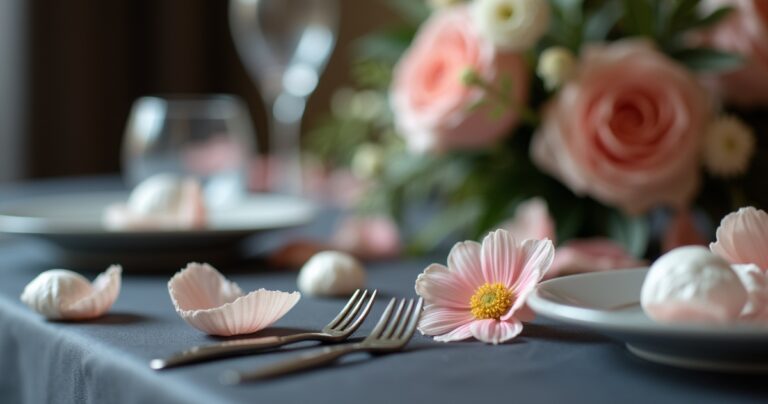
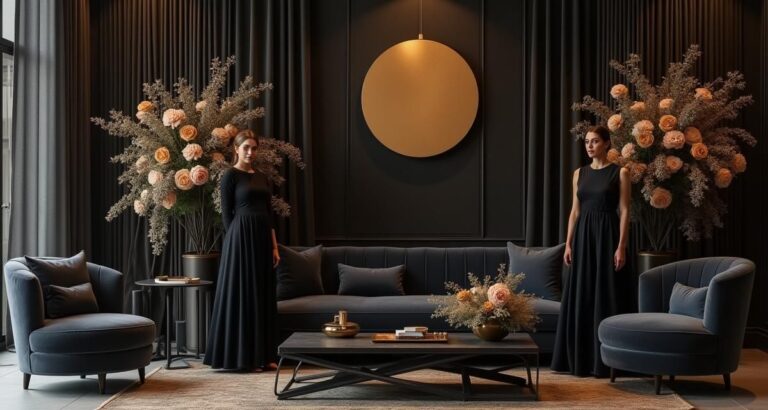
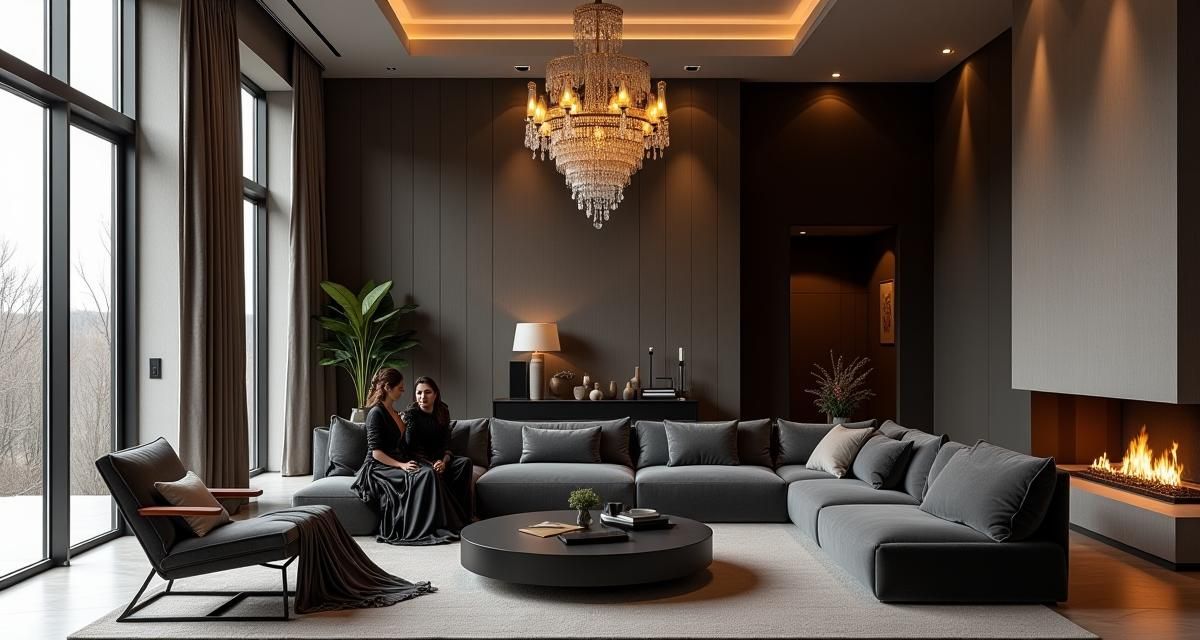
Modern interior design, sustainable home decor, vintage interior design, and minimalist interior design each offer unique aesthetics and philosophies. Modern design is characterized by clean lines and a focus on function, while sustainable decor emphasizes eco-friendly materials and practices. Vintage design brings nostalgia and character through antique pieces, and minimalist design focuses on simplicity and space. Understanding these styles helps in creating a harmonious living space.
- Modern Design: Clean lines, functional spaces, and innovative materials.
- Sustainable Decor: Eco-friendly materials, energy efficiency, and ethical practices.
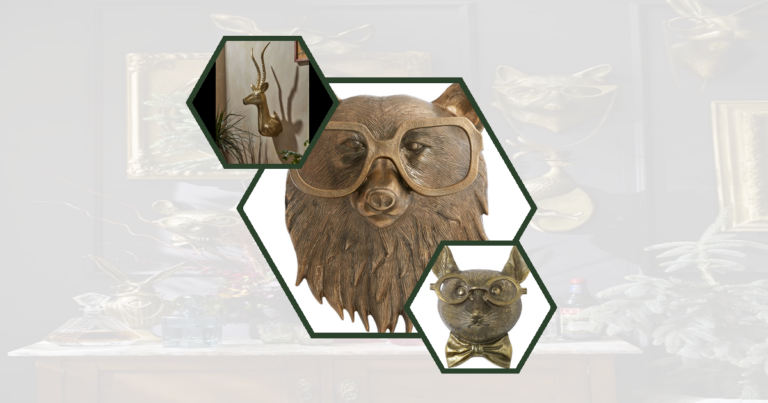
- Vintage Design: Nostalgic elements, antique furniture, and character-rich textiles.
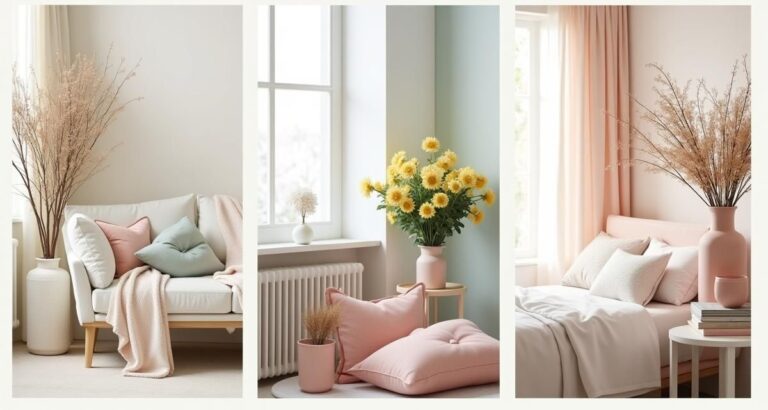
- Minimalist Design: Simplicity, decluttered spaces, and quality over quantity.
Creating a Cohesive Look

To create a cohesive look, blend elements from each style thoughtfully. Use a neutral color palette as a base, then layer in textures and accents from different styles. This approach ensures a balanced and harmonious space that reflects your personal taste.
- Neutral Base: Start with a neutral color palette.
- Layer Textures: Incorporate different materials and textures.
- Personal Touches: Add accents that reflect your personality.
Balancing Aesthetics and Functionality
Balancing aesthetics and functionality is key in interior design. Choose furniture and decor that are both beautiful and practical. This ensures that your space is not only visually appealing but also comfortable and functional for everyday living.
- Functional Furniture: Choose pieces that serve multiple purposes.
- Practical Decor: Opt for decor that enhances usability.
- Comfort and Style: Ensure comfort without sacrificing style.
What are the Key Elements of Modern Interior Design?

Clean Lines and Minimalist Aesthetics
Modern interior design is defined by clean lines and minimalist aesthetics. This style focuses on simplicity and functionality, with an emphasis on open spaces and uncluttered environments. The use of sleek furniture and minimal decor creates a sophisticated and contemporary look.
- Sleek Furniture: Opt for furniture with clean lines.
- Open Spaces: Maintain an uncluttered environment.
- Minimal Decor: Use decor sparingly for a modern look.
Neutral Color Palettes with Bold Accents
Neutral color palettes are a hallmark of modern design, providing a calm and serene backdrop. Bold accents, such as a vibrant piece of art or a colorful rug, add interest and personality to the space without overwhelming it.
- Calm Backdrop: Use neutral colors for walls and large furniture.
- Bold Accents: Add interest with colorful art or accessories.
- Balance: Ensure bold accents complement the neutral base.
Innovative Materials and Technologies
Modern design embraces innovative materials and technologies. From smart home devices to sustainable building materials, incorporating these elements enhances both the functionality and sustainability of your home.
- Smart Devices: Integrate technology for convenience.
- Sustainable Materials: Use eco-friendly building materials.
- Innovation: Embrace new technologies in design.
How Can You Integrate Sustainable Home Decor into Your Space?

Eco-Friendly Materials and Finishes
Sustainable home decor starts with eco-friendly materials and finishes. Choose furniture made from reclaimed wood or recycled materials, and opt for non-toxic paints and finishes to reduce environmental impact.
- Reclaimed Wood: Use furniture made from reclaimed materials.
- Non-Toxic Finishes: Choose paints and finishes that are safe for the environment.
- Recycled Materials: Incorporate recycled elements in decor.
Energy-Efficient Lighting and Appliances
Energy-efficient lighting and appliances are essential for a sustainable home. LED lighting and Energy Star-rated appliances reduce energy consumption and lower utility bills, making your home more eco-friendly.
- LED Lighting: Use energy-efficient LED bulbs.
- Energy Star Appliances: Choose appliances with Energy Star ratings.
- Lower Utility Bills: Reduce energy consumption and costs.
Upcycled and Repurposed Furniture
Upcycling and repurposing furniture is a creative way to incorporate sustainability into your home. Transform old pieces into new, functional items, reducing waste and adding unique character to your space.
- Creative Upcycling: Transform old furniture into new pieces.
- Reduce Waste: Repurpose items to minimize waste.
- Unique Character: Add personality with upcycled decor.
What Makes Vintage Interior Design Timeless and Appealing?
Mixing Eras and Styles
Vintage interior design is timeless due to its ability to mix eras and styles. Combining pieces from different periods creates a unique and eclectic look that is both nostalgic and stylish.
- Eclectic Mix: Combine pieces from various eras.
- Nostalgic Style: Create a sense of nostalgia with vintage decor.
- Unique Look: Achieve a one-of-a-kind aesthetic.
Incorporating Antique and Heirloom Pieces
Antique and heirloom pieces add depth and history to a space. These items tell a story and bring a sense of heritage and tradition, making your home feel warm and inviting.
- Historical Depth: Add history with antique pieces.
- Family Heirlooms: Incorporate items with personal significance.
- Warmth and Tradition: Create an inviting atmosphere.
Adding Character with Vintage Textiles and Accessories
Vintage textiles and accessories add character and charm to any room. From patterned rugs to embroidered cushions, these elements bring texture and color, enhancing the overall design.
- Patterned Rugs: Use vintage rugs for texture.
- Embroidered Cushions: Add color with vintage textiles.
- Charming Accessories: Enhance design with vintage decor.
Why is Minimalist Interior Design Gaining Popularity?
Decluttering and Simplifying Spaces
Minimalist interior design is gaining popularity due to its focus on decluttering and simplifying spaces. By removing unnecessary items, you create a clean and organized environment that promotes relaxation and clarity.
- Organized Environment: Remove clutter for a clean space.
- Promote Relaxation: Simplify spaces for a calming effect.
- Clarity and Focus: Enhance focus with minimal decor.
Focusing on Quality Over Quantity
Minimalism emphasizes quality over quantity, encouraging the selection of high-quality, durable items that stand the test of time. This approach not only reduces waste but also creates a more meaningful and intentional living space.
- Durable Items: Choose high-quality, long-lasting pieces.
- Reduce Waste: Focus on quality to minimize waste.
- Intentional Living: Create a meaningful space with fewer items.
Creating a Sense of Calm and Serenity
Minimalist design creates a sense of calm and serenity by using neutral colors, simple lines, and open spaces. This style promotes a peaceful atmosphere, making it ideal for those seeking a tranquil home environment.
- Neutral Colors: Use calming colors for a serene space.
- Simple Lines: Opt for furniture with clean, simple lines.
- Peaceful Atmosphere: Create tranquility with minimalist design.
How to Blend Modern and Vintage Elements in Interior Design
Juxtaposing Old and New
Blending modern and vintage elements involves juxtaposing old and new pieces. This contrast creates visual interest and allows you to enjoy the best of both worlds in your home design.
- Visual Interest: Combine old and new for contrast.
- Best of Both Worlds: Enjoy modern and vintage elements.
- Unique Design: Create a distinctive look with mixed styles.
Creating Focal Points with Statement Pieces
Statement pieces serve as focal points in a room, drawing attention and anchoring the design. Whether it’s a vintage chandelier or a modern art piece, these items add drama and personality to your space.
- Attention-Grabbing: Use statement pieces as focal points.
- Anchor Design: Create a central focus in the room.
- Add Drama: Enhance personality with bold pieces.
Balancing Textures and Materials
Balancing textures and materials is key when blending modern and vintage styles. Use a mix of smooth and rough textures, and combine different materials to create a harmonious and cohesive look.
- Mix Textures: Combine smooth and rough surfaces.
- Combine Materials: Use various materials for balance.
- Harmonious Look: Achieve cohesion with balanced design.
What are the Benefits of Sustainable Home Decor?
Reducing Environmental Impact
Sustainable home decor reduces environmental impact by using eco-friendly materials and practices. This approach helps conserve resources and minimize waste, contributing to a healthier planet.
- Eco-Friendly Materials: Use sustainable materials in decor.
- Conserve Resources: Reduce resource consumption.
- Minimize Waste: Adopt practices that reduce waste.
Improving Indoor Air Quality
Sustainable decor improves indoor air quality by using non-toxic materials and finishes. This creates a healthier living environment, reducing the risk of respiratory issues and allergies.
- Non-Toxic Materials: Choose safe materials for better air quality.
- Healthier Environment: Improve air quality with sustainable decor.
- Reduce Allergies: Minimize respiratory risks with eco-friendly choices.
Supporting Ethical Manufacturing Practices
By choosing sustainable decor, you support ethical manufacturing practices. This ensures fair labor conditions and environmentally responsible production, promoting social and environmental justice.
- Fair Labor: Support ethical labor practices.
- Responsible Production: Choose products made responsibly.
- Promote Justice: Encourage social and environmental fairness.
How Can You Achieve a Minimalist Look with Vintage Pieces?
Selecting Key Vintage Items
Achieving a minimalist look with vintage pieces involves selecting key items that add character without overwhelming the space. Choose a few standout pieces that complement the minimalist aesthetic.
- Standout Pieces: Select key vintage items for impact.
- Complementary Design: Ensure vintage pieces fit the minimalist style.
- Character and Simplicity: Add character without clutter.
Maintaining a Neutral Color Palette
A neutral color palette is essential for a minimalist look. Use soft, muted colors to create a calm and cohesive environment, allowing vintage pieces to shine without overpowering the space.
- Soft Colors: Use muted tones for a calm environment.
- Cohesive Design: Maintain a consistent color palette.
- Highlight Vintage: Let vintage pieces stand out in a neutral setting.
Emphasizing Negative Space
Emphasizing negative space is crucial in minimalist design. Allow space around vintage pieces to create a sense of openness and balance, enhancing the overall aesthetic.
- Open Spaces: Create openness with negative space.
- Balance Design: Use space to balance vintage items.
- Enhance Aesthetic: Highlight design with strategic spacing.
What are the Latest Trends in Modern Sustainable Interior Design?
Biophilic Design and Natural Elements
Biophilic design, which incorporates natural elements, is a leading trend in modern sustainable interior design. This approach connects indoor spaces with nature, promoting well-being and sustainability.
- Nature Connection: Integrate natural elements in design.
- Promote Well-Being: Enhance health with biophilic design.
- Sustainable Approach: Use nature-inspired elements for sustainability.
Smart Home Technologies for Energy Efficiency
Smart home technologies are revolutionizing sustainable design by improving energy efficiency. From smart thermostats to automated lighting, these innovations reduce energy consumption and enhance convenience.
- Energy Efficiency: Use smart technologies to save energy.
- Convenience: Enhance home functionality with smart devices.
- Innovative Design: Incorporate technology for modern sustainability.
Recycled and Reclaimed Materials
Using recycled and reclaimed materials is a growing trend in sustainable design. These materials reduce waste and add unique character to your home, aligning with eco-friendly principles.
- Reduce Waste: Use recycled materials in decor.
- Unique Character: Add personality with reclaimed items.
- Eco-Friendly Design: Embrace sustainability with recycled materials.
How to Create a Cozy Atmosphere in a Minimalist Space?
Incorporating Warm Textures and Fabrics
Creating a cozy atmosphere in a minimalist space involves incorporating warm textures and fabrics. Use soft textiles like wool and cotton to add warmth and comfort without cluttering the space.
- Soft Textiles: Use wool and cotton for warmth.
- Comfort and Style: Add comfort with warm textures.
- Minimal Clutter: Maintain simplicity with cozy fabrics.
Using Soft Lighting and Natural Light
Soft lighting and natural light are key to creating a cozy atmosphere. Use dimmable lights and maximize natural light to create a warm and inviting environment.
- Dimmable Lights: Use adjustable lighting for warmth.
- Maximize Natural Light: Enhance coziness with natural light.
- Inviting Environment: Create warmth with strategic lighting.
Adding Personal Touches and Meaningful Decor
Personal touches and meaningful decor add warmth and personality to a minimalist space. Choose items that reflect your interests and values, creating a space that feels uniquely yours.
- Reflect Interests: Use decor that represents your personality.
- Meaningful Items: Add items with personal significance.
- Unique Space: Create a personalized and cozy environment.
What are Some Tips for Sourcing Vintage Decor Sustainably?
Exploring Thrift Stores and Flea Markets
Thrift stores and flea markets are excellent places to find sustainable vintage decor. These venues offer unique and affordable items, reducing the demand for new production and promoting reuse.
- Unique Finds: Discover one-of-a-kind items.
- Affordable Options: Find budget-friendly decor.
- Promote Reuse: Support sustainability by buying secondhand.
Researching Online Marketplaces and Auctions
Online marketplaces and auctions provide access to a wide range of vintage items. Research these platforms to find high-quality pieces that fit your style and budget.
- Wide Selection: Access diverse vintage items online.
- Quality Pieces: Find high-quality decor through research.
- Budget-Friendly: Discover affordable options online.
Supporting Local Artisans and Craftspeople
Supporting local artisans and craftspeople is a sustainable way to source vintage decor. These individuals often use traditional methods and sustainable materials, ensuring ethical and eco-friendly production.
- Traditional Methods: Support artisans using traditional techniques.
- Sustainable Materials: Choose items made with eco-friendly materials.
- Ethical Production: Promote ethical practices by buying local.
How Can You Make Your Home Office Both Modern and Sustainable?
Choosing Ergonomic and Eco-Friendly Furniture
Creating a modern and sustainable home office starts with choosing ergonomic and eco-friendly furniture. Select pieces that support good posture and are made from sustainable materials.
- Ergonomic Design: Choose furniture that supports posture.
- Sustainable Materials: Opt for eco-friendly furniture.
- Comfort and Health: Enhance comfort with ergonomic choices.
Optimizing Natural Light and Energy-Efficient Lighting
Optimize natural light and use energy-efficient lighting to create a sustainable home office. Position your desk near windows and use LED lights to reduce energy consumption.
- Natural Light: Maximize daylight in your office.
- Energy Efficiency: Use LED lights for sustainability.
- Reduce Consumption: Lower energy use with efficient lighting.
Incorporating Plants and Biophilic Elements
Incorporate plants and biophilic elements to enhance your home office. These additions improve air quality and create a calming environment, boosting productivity and well-being.
- Improve Air Quality: Use plants to purify the air.
- Calming Environment: Enhance tranquility with biophilic design.
- Boost Productivity: Create a productive workspace with nature.
What are the Key Differences Between Modern and Minimalist Interior Design?
Comparing Aesthetics and Philosophy
Modern and minimalist interior design differ in aesthetics and philosophy. Modern design focuses on function and innovation, while minimalist design emphasizes simplicity and space.
- Functional Focus: Modern design prioritizes function.
- Simplicity: Minimalist design values simplicity.
- Innovative Aesthetics: Modern design embraces new ideas.
Analyzing Color Palettes and Materials
Color palettes and materials also distinguish modern and minimalist design. Modern design uses bold accents and innovative materials, while minimalist design favors neutral colors and natural materials.
- Bold Accents: Modern design uses vibrant colors.
- Neutral Tones: Minimalist design prefers soft colors.
- Material Innovation: Modern design embraces new materials.
Evaluating Furniture Choices and Layouts
Furniture choices and layouts vary between the two styles. Modern design features sleek, functional furniture, while minimalist design focuses on simplicity and open spaces.
- Sleek Furniture: Modern design uses functional pieces.
- Simple Layouts: Minimalist design values open spaces.
- Functional Design: Modern design prioritizes usability.
How to Incorporate Vintage Elements in a Modern Sustainable Home?
Upcycling and Repurposing Vintage Finds
Incorporate vintage elements in a modern sustainable home by upcycling and repurposing finds. Transform old items into new, functional pieces, reducing waste and adding character.
- Transform Old Items: Upcycle vintage finds for new use.
- Reduce Waste: Repurpose items to minimize waste.
- Add Character: Enhance design with unique vintage pieces.
Mixing Vintage and Sustainable Materials
Mix vintage and sustainable materials to create a cohesive design. Use reclaimed wood and recycled materials alongside vintage decor for an eco-friendly and stylish home.
- Reclaimed Wood: Use sustainable materials in design.
- Recycled Elements: Incorporate recycled materials with vintage.
- Cohesive Design: Blend vintage and sustainable for harmony.
Creating Contrast with Modern Eco-Friendly Pieces
Create contrast by pairing vintage elements with modern eco-friendly pieces. This combination highlights the unique qualities of each style, resulting in a dynamic and balanced design.
- Highlight Unique Qualities: Pair vintage with modern for contrast.
- Dynamic Design: Create interest with contrasting styles.
- Balanced Aesthetic: Achieve harmony with mixed elements.
FAQs
What is the Most Popular Interior Design Style in 2023?
The most popular interior design style in 2023 is modern design, characterized by clean lines and functional spaces. This style’s emphasis on innovation and simplicity resonates with many homeowners, making it a top choice.
How Can I Make My Home More Sustainable Without Sacrificing Style?
To make your home more sustainable without sacrificing style, incorporate eco-friendly materials and energy-efficient technologies. Choose stylish, sustainable decor that aligns with your aesthetic preferences, ensuring a beautiful and responsible home.
Are Vintage and Antique Furniture Considered Sustainable?
Yes, vintage and antique furniture are considered sustainable because they promote reuse and reduce the demand for new production. By choosing these pieces, you contribute to a circular economy and minimize environmental impact.
What are the Essential Elements of Minimalist Interior Design?
The essential elements of minimalist interior design include simplicity, neutral color palettes, and open spaces. This style focuses on decluttering and creating a serene environment, emphasizing quality over quantity.
How Can I Incorporate Modern Design into a Traditional Home?
Incorporate modern design into a traditional home by blending contemporary elements with classic features. Use modern furniture and decor to update the space while preserving traditional architectural details for a balanced look.me?